Cole Campbell: Elversberg's surprising start and his professional journey at a Bundesliga roundtable
```html
Cole Campbell's initial weeks as a Bundesliga starter mirror SV Elversberg's own unexpected trajectory. In their first three matches of the season, the newly promoted club has already defeated Bayer Leverkusen, come back from a two-goal deficit against Borussia Mönchengladbach, and put up a strong fight against Bayern Munich in a close loss.
Campbell has been central to these events. The young player spoke about his team, his own performances, and various topics during a Bundesliga media roundtable. His emergence is one of the notable stories of the current Bundesliga season.
The 20-year-old American scored in the historic 3-2 opening-day win against Leverkusen and has started in all three league games on the left wing. A year after his chances of regular Bundesliga football at Borussia Dortmund seemed uncertain, Campbell now holds a significant role at a club whose entire sporting philosophy is centered on providing opportunities for talented young footballers.
For Campbell, Elversberg's history was a key factor in his decision.
“Of course, they informed me about their track record, and I investigated it myself,” Campbell stated when asked about Elversberg's success in developing players. “When you consider joining a club, understanding their past achievements is crucial. That naturally shapes your perception of playing there. I had extensive discussions with the coach and the sporting director about the club.”
These conversations ultimately persuaded Campbell that Saarland was the right place to reignite a career that had lost momentum.
“They outlined their strategy and the club's core values to me,” Campbell continued. “Seeing other players who moved there, developed, gained playing time, and made significant career advancements certainly helps. It influenced my decision to join. I needed a club that believed in me and offered the support necessary for me to reach my full potential.”
Campbell finds his Bundesliga path at Elversberg
Campbell's journey to this point has been far from direct. The winger, born in Houston, joined Dortmund at 16 after spending part of his early football development in Iceland, his mother's home country. His speed and ability in one-on-one situations quickly marked him as a promising attacking talent within the BVB system.
He made his senior debut during the 2024/25 season. However, the following summer brought considerable uncertainty. Campbell was seeking consistent Bundesliga play and was close to a move to Stuttgart from Dortmund, but the transfer ultimately did not happen.
Pre-season assessments of Borussia Dortmund's 2025/26 season expressed doubts about Campbell's readiness for a major first-team role after a quiet pre-season. These concerns proved valid. Campbell saw limited playing time in the early months of the season and was reportedly excluded from Dortmund's matchday squads in December due to concerns about his training performance.
Although reinstated shortly after, a clear path forward still didn't emerge. Dortmund eventually loaned Campbell to Hoffenheim in January with an option to buy, but the temporary move did not lead to a permanent transfer.
Instead, Elversberg invested a reported €6 million in Campbell this summer, making it their largest single expenditure in an ambitious recruitment drive focused almost entirely on young talent. Campbell's arrival wasn't just about his transfer fee; he earned his place.
Campbell was identified as one of the players who showed the most positive development during Elversberg's pre-season. He hit the post, assisted a goal by Luca Schnellbacher, and scored himself in an impressive 4-1 friendly victory over Lorient. By the end of pre-season, Campbell had secured the left-wing position.
The appeal was clear. Coach Vincent Wagner sought a direct attacker capable of running at defenders and challenging them, rather than simply passing the ball around. Campbell desired the freedom to do just that.
Wagner’s ‘bravery’ gives Campbell license to attack
Elversberg's remarkable start has quickly shown how well the player and the system complement each other. Few anticipated the Bundesliga newcomers to begin the season by securing six points from matches against Leverkusen and Gladbach.
“Our initial expectations were the opposite of what we’ve achieved,” Campbell said regarding his club's surprising start. “Winning against a team like Bayer Leverkusen was incredible. Then, coming back from behind against Gladbach, a formidable team, was amazing. Against Bayern, we didn’t get the result we wanted, but I believe we still played well as a team. The first three games have been outstanding.”
The results have also validated Wagner's commitment to the style of play that brought Elversberg into the Bundesliga. Following their historic win over Leverkusen, Wagner repeatedly stressed that “brave football” was more than just a preference.
In the coach's view, courage on the ball and aggressive pressing are Elversberg's only realistic routes to remaining competitive in the German top flight. The extraordinary comeback in Gladbach reinforced this point. Campbell has his own understanding of what Wagner's consistent call for bravery entails.
“Bravery stems from trusting your teammates and trusting yourself,” Campbell explained about Wagner's well-known philosophy. “As an attacking player, bravery means not hesitating to take on opponents one-on-one. It means being willing to try something new rather than being apprehensive due to the opponent’s reputation.”
Campbell builds connections on and off the pitch
Trust among teammates is naturally easier to foster when it genuinely exists. Campbell speaks highly of the developing relationships within a squad composed of promotion veterans, new permanent signings, and promising loanees. The fact that Campbell has formed friendships with many teammates might explain Elversberg's unexpected early success.
Several of these relationships have clear tactical implications.
“I have a very strong connection with Moki [David Mokwa] both on and off the field,” Campbell said when asked about teammates with whom he shares a special bond. “Lasse Günther [the left-back] and I have a very good understanding. Playing with him and developing that connection has been beneficial. The same applies to midfielder [Lukasz] Poręba.”
Günther plays directly behind Campbell on the left, while Poręba is a key part of Wagner’s possession-based game. However, these connections extend beyond those immediately beside Campbell on the field.
“Off the field, I'm also very close with Kratti [Maurice Krattenmacher] and Schnelli [Luca Schnellbacher],” Campbell added. “I really like Luca; he’s fantastic. I'm also close with other players like Francis [Onyeka] and Noel [Futkeu]. Honestly, we're a very close-knit team. We have a diverse group, and everyone gets along well.”
This cohesion is vital for an Elversberg team that relies heavily on players still in the early stages of their careers. Campbell, Krattenmacher, Onyeka, and Noah Darvich were all identified in pre-season analysis as part of the young attacking contingent expected to enhance the club's technical capabilities.
Campbell on Germany: Schnitzel, coffee, and the Autobahn
Campbell has already spent a significant portion of his formative football years in Germany, yet the adjustment wasn't always immediate.
“I would say I enjoy life here,” Campbell commented when asked about his life in Germany. “The food is excellent. The schnitzel is very good. I can’t eat it too often, as it's not the healthiest option. In my free time, I like visiting coffee shops and exploring the city. What I enjoy most about Germany is the Autobahn because I can drive quite fast. Life in Germany is generally good. It improved significantly once I learned the language; before that, it was quite challenging.”
“The fans and the atmosphere here are absolutely incredible,” Campbell continued. “Even here in Elversberg, the fans are amazing. The fans of most teams in the Bundesliga are wonderful.”
Campbell’s football education began at home
Football was an integral part of Campbell's life long before his time in Iceland, Dortmund, Hoffenheim, or Elversberg. His mother, Rakel Karvelsson, played for the Icelandic national team, and Campbell considers having a former international footballer in his family an invaluable asset.
“My mom possesses extensive football knowledge,” Campbell responded when asked about his mother. “Having a mother who played football is a significant advantage. I can also train with her, which is enjoyable.”
“Yes, she used to challenge me to two-touch matches,” Campbell replied to a follow-up question about training with his mother. “She doesn’t win anymore, but when I was younger, she used to beat me. That was about seven years ago, when I was 13. By the time I was 14 or 15, she started to lose.”
Campbell refuses to chase Pulisic and Reyna comparisons
Campbell's nationality and his time at Dortmund have inevitably led to comparisons with the two most prominent American players who came through the Westphalian club before him: Christian Pulisic, who became a USMNT star after developing at Dortmund and then moved to Chelsea, and Giovanni Reyna, who spent several seasons with BVB.
Campbell knows Reyna personally.
“Gio and I are friends,” Campbell responded when asked about comparisons to former USMNT Dortmund stars Giovanni Reyna and Christian Pulisic. “I believe being compared to great players is positive, but personally, I don’t focus on the comparison. As the saying goes, comparison is the thief of joy.”
This sentiment is fitting given Campbell's current situation. His Dortmund career did not unfold like Pulisic's or Reyna's. Campbell's path led him through a failed transfer, months on the sidelines, a brief disciplinary issue, a loan that didn't become permanent, and ultimately to the smallest club currently competing in Germany's top flight.
Elversberg appealed to him precisely because the club didn't offer him someone else's path.
They offered him his own.
Three Bundesliga matches are hardly enough to guarantee a smooth progression. Elversberg will face difficult periods. Campbell will encounter tougher defenders, lose one-on-one duels, and almost certainly experience moments where he learns how unforgiving the Bundesliga can be.
This is precisely where Wagner's concept of bravery becomes relevant. Campbell sought playing time, support, and an environment where development was possible even after mistakes. Elversberg wanted a winger willing to challenge defenders without first looking at their team crest.
For now, it appears both have found what they were looking for.
Novedades — Fútbol
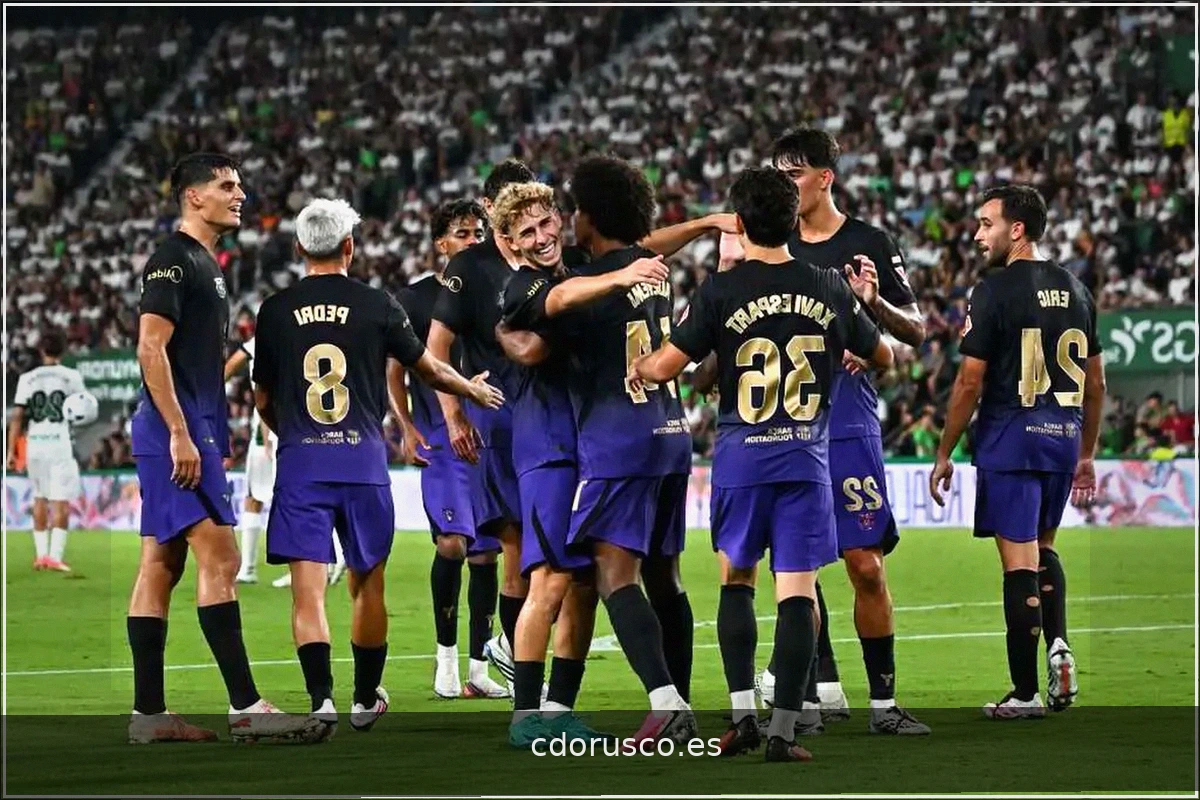
Kylian Mbappé opina sobre el arrollador inicio de temporada del Barcelona
Kylian Mbappé, jugador del Real Madrid, ha compartido su perspectiva sobre el espectacular inicio de campaña de su rival directo, el Barcelona. El conjunto de Hansi Flick sumó otra actuación memorable este miércoles. Recibiendo al Racing Santander en el Spotify Camp Nou para un partido
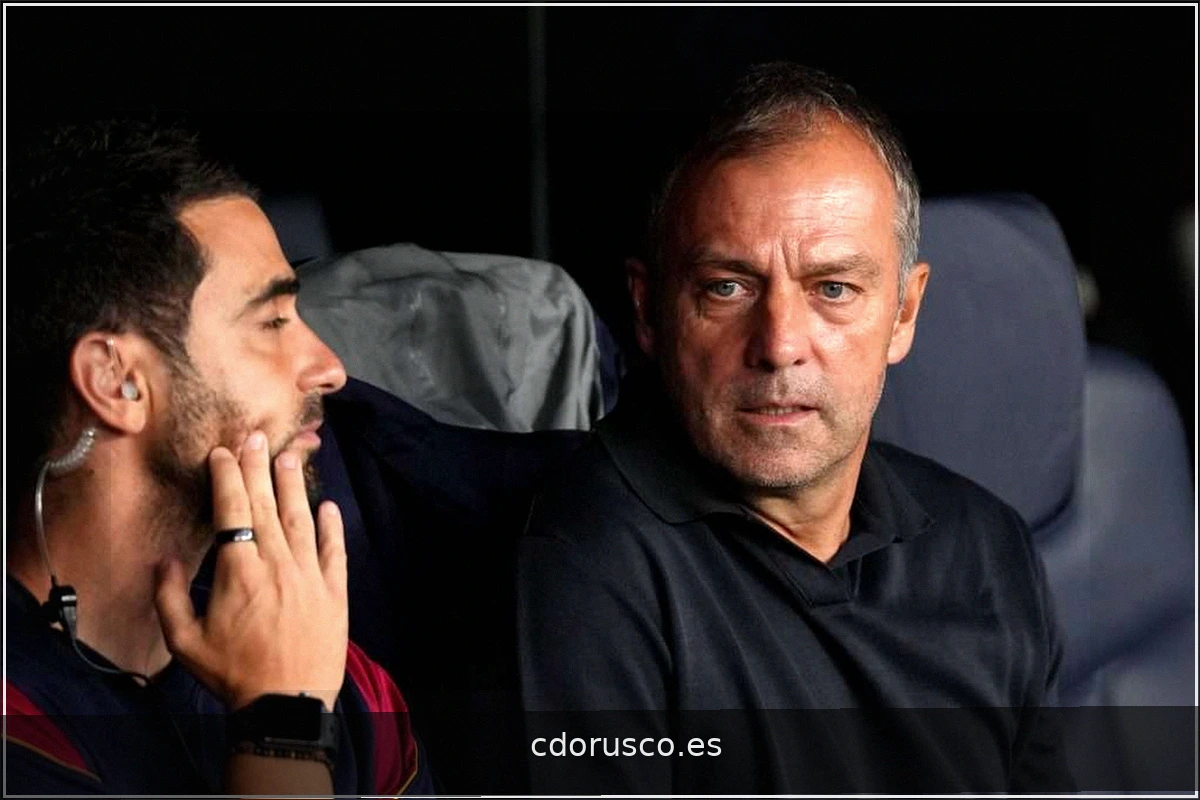
Portero del Barcelona listo para su primera titularidad de la temporada contra el Sevilla
El entrenador del Barcelona, Hansi Flick, planea dar su primera titularidad de la temporada a uno de sus porteros este fin de semana. Flick mantiene plena confianza en las capacidades de Wojciech Szczęsny. Szczęsny entró como suplente el miércoles por la noche, debutando en la campaña actual. Tr
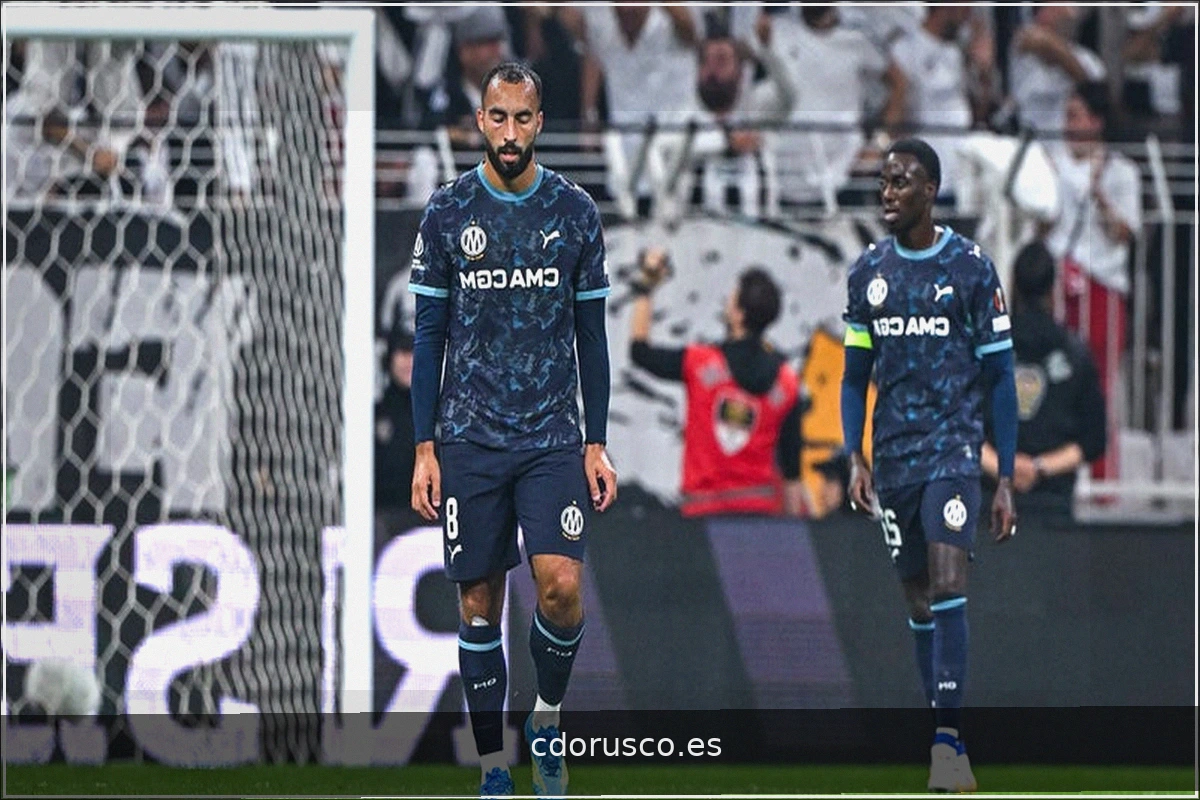
Besiktas golea al OM: Murillo castiga a su ex equipo, Vlahovic marca un doblete y Fakili sentencia la victoria turca
El partido comenzó con un Besiktas intenso, presionando al Olympique de Marsella. A los pocos minutos, Fakili adelantó a los turcos con un disparo cruzado tras una buena jugada colectiva. El OM intentó reaccionar y consiguió igualar el marcador antes del descanso con un gol de Abdallah, q
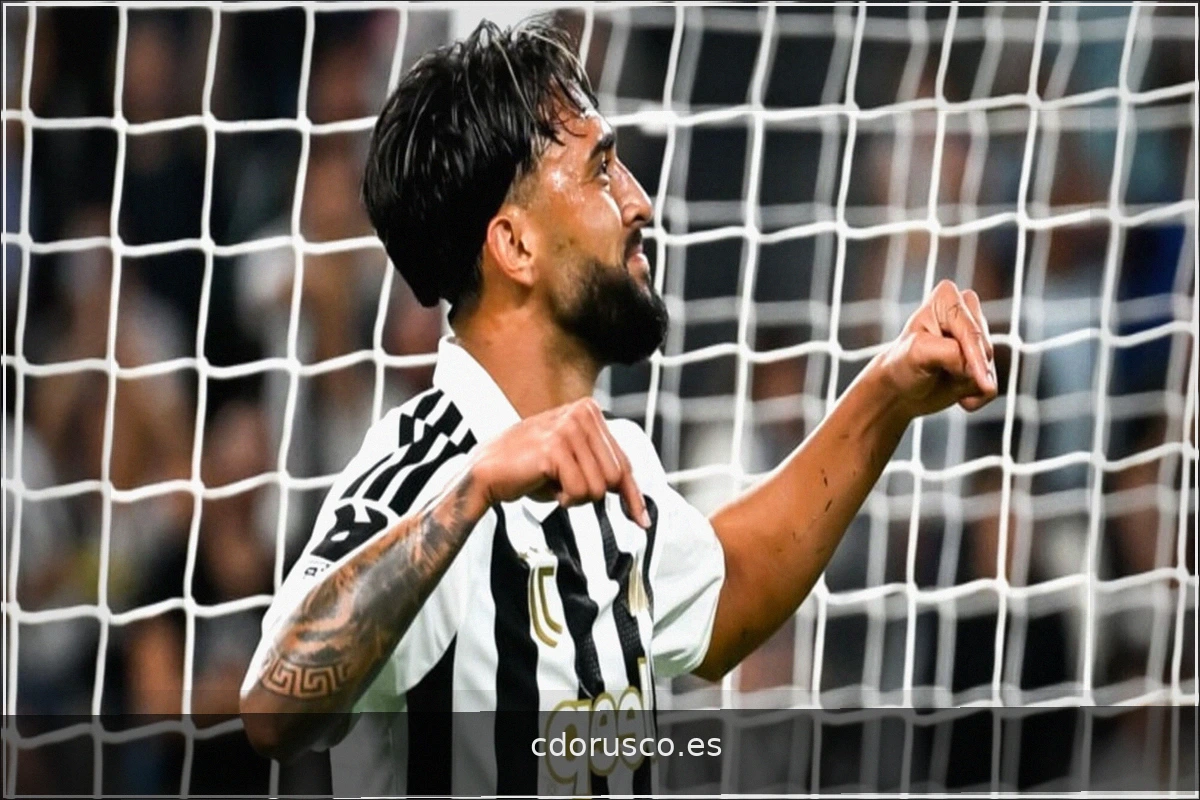
Nico González: la garra que Juventus necesitaba para la resurrección de Spalletti
La verdadera sorpresa de la temporada para la Juventus es Nico González. Su segundo gol de la campaña, que abrió la goleada contra el NEC, confirma su transformación en un jugador esencial para Spalletti. Su aceleración para aprovechar el pase de Grabara —quién lo hubiera imaginado— evidencia
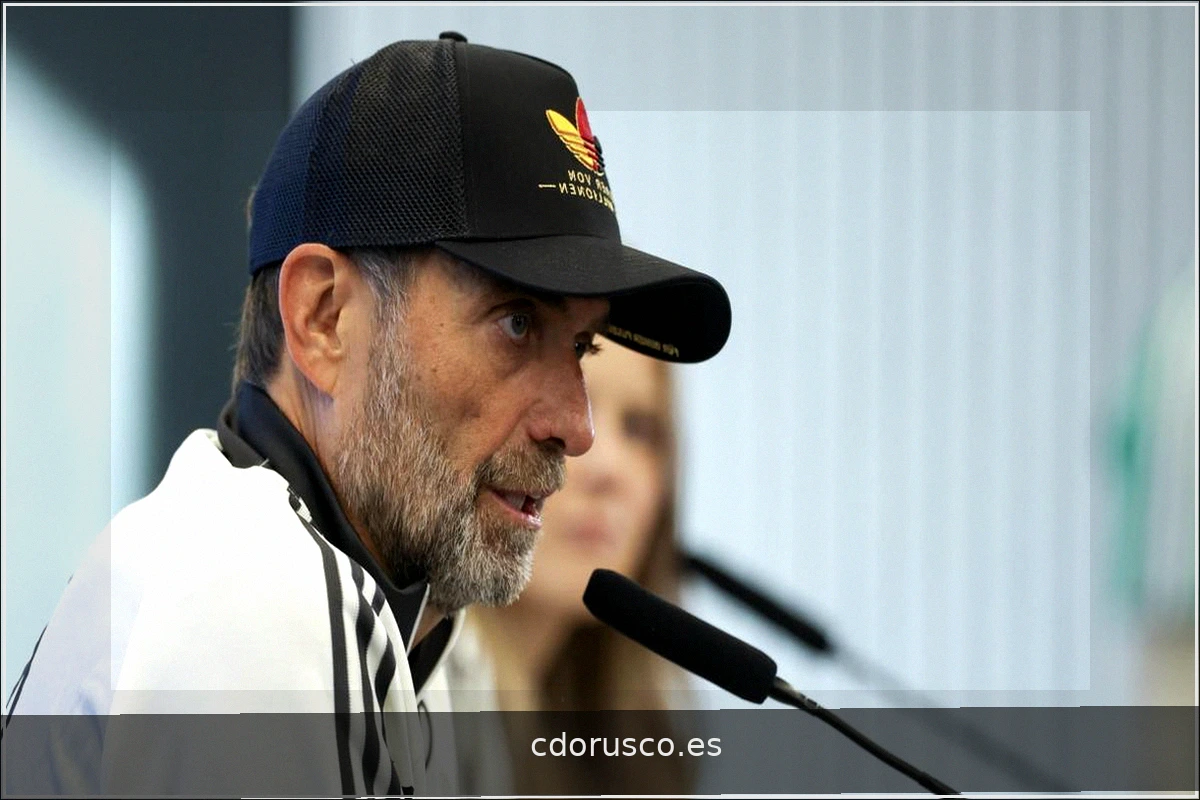
Klopp: "No dejemos el orgullo nacional a las personas equivocadas"
Jürgen Klopp, durante la rueda de prensa de presentación de su debut como seleccionador de Alemania, expresó una postura clara frente al avance de la extrema derecha en el país. Tras el notable aumento de apoyo a Alternative für Deutschland (AfD) en elecciones regional
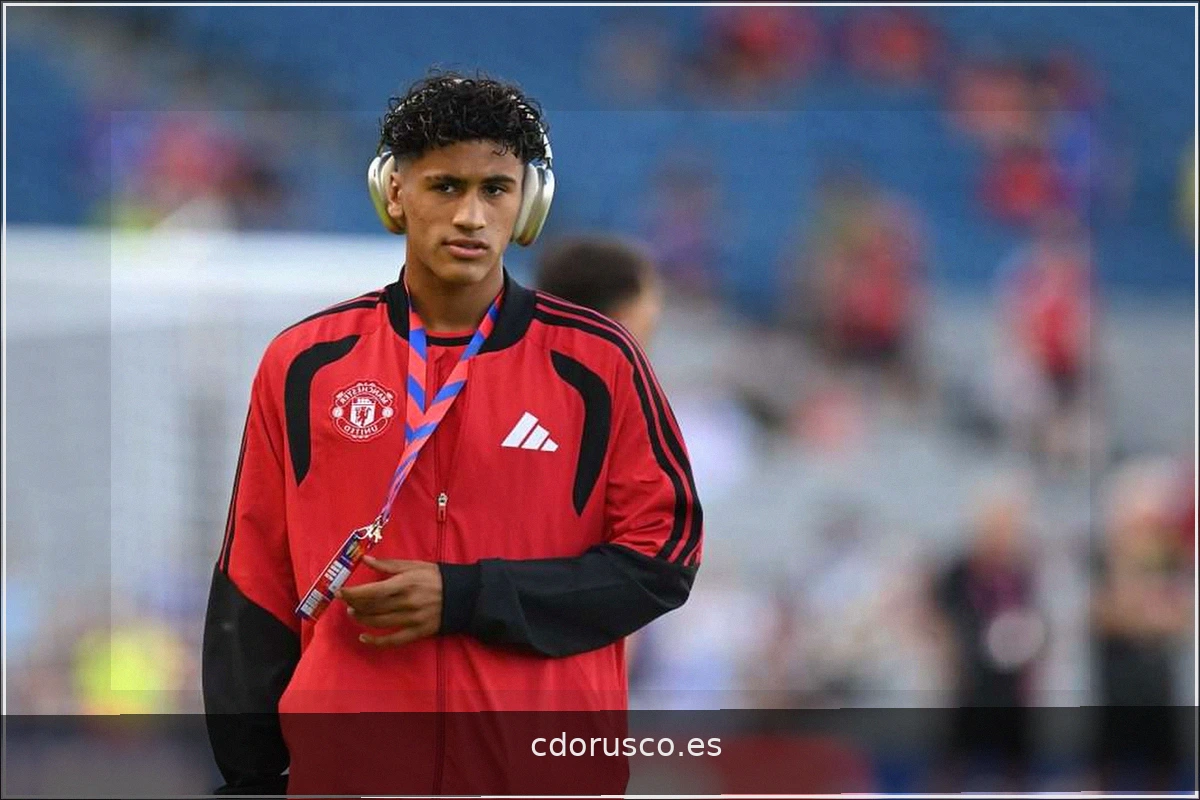
El plan del Real Madrid para la sensación del Manchester United, JJ Gabriel
Ha salido a la luz online información sobre los planes de los directivos del gigante de La Liga, el Real Madrid, para integrar a JJ Gabriel en la estructura del club. Esto ocurre mientras continúa la búsqueda del joven talento inglés por parte de la directiva del Santiago Bernabéu. El ata